3rd World Congress of the Global Harmonization Initiative
Harmonized Global Food Systems for a Changing World
Six Questions. One Global Food System.
What happens when the world’s food systems change faster than the rules designed to govern them?
Climate change. Geopolitical instability. Disrupted trade. New food technologies. Artificial intelligence. Changing consumer expectations.
The food system is changing. But are our systems for governing it changing fast enough?
The global food system is undergoing profound transformations. Climate change, geopolitical shifts, evolving trade relationships, emerging food technologies, and changing consumer expectations are reshaping how food is produced, regulated, and consumed. These pressures are intensifying demands on food safety, security, sustainability, and appropriateness.
At the same time, the rules that govern food remain divided by borders, jurisdictions and disciplines.
While innovation is accelerating, food laws, regulations, standards and governance frameworks remain fragmented across countries and regions. This fragmentation can make it harder to protect public health, facilitate fair trade, respond to crises and ensure that innovation delivers benefits safely and equitably.
So, what should the future of food look like — and who gets to decide?
The 3rd World Congress of the Global Harmonization Initiative (GHI) will take place at Selçuk University in Konya, Türkiye, from 5–9 July 2027, bringing together scientists, regulators, policymakers, industry leaders, and international organizations to confront one of the defining questions of our time:
How do we build food systems that can work across borders — while remaining safe, sustainable, resilient, ethical and appropriate for different societies?
This is not a Congress about predicting the future of food.
It is about questioning it. Challenging it. And helping shape what comes next.
Official Carrier

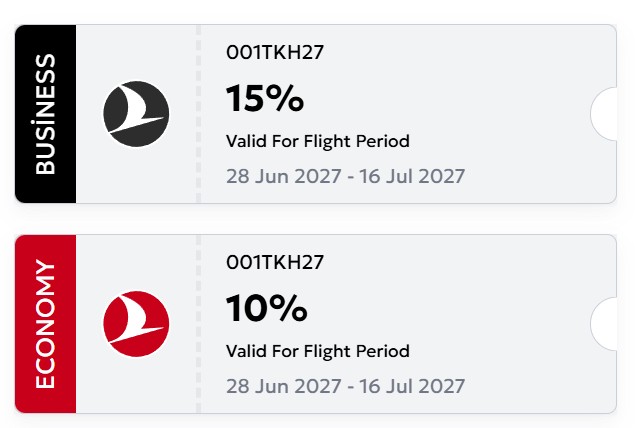
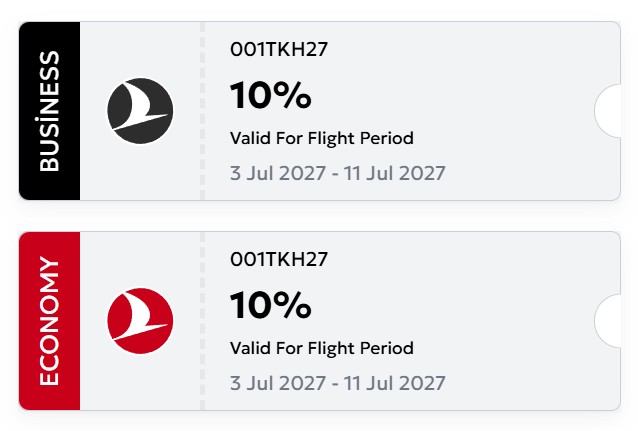
Turkish Airlines is the official airline of the GHI World Congress 2027, special discounts are offered for all delegates. To proceed with the online booking tool, please visit turkishairlines.com and use the event code “001TKH27” under the Promotion code field at the payment page.
The Future of Food Will Not Be Solved by One Discipline.
Food safety. Food security. Sustainability. Technology. Health. Ethics. Law. Trade. Sovereignty.
One global conversation.
These are not separate conversations. They are one conversation. And that conversation needs different voices.
It needs scientists talking to policymakers. Regulators talking to innovators. Industry talking to researchers. And disciplines talking to each other.
Six Grand Conversations. Six Questions. One Global Food System.
From Conversation to Alignment
Building on the success of the 2025 GHI World Congress in Rotterdam, which highlighted the interconnections between food security, food safety, health and sustainability, the 2027 Congress takes the next step.
- Not simply to identify what is wrong, but to ask where different perspectives collide — and where alignment might be possible.
- Not simply to exchange knowledge, but to connect it.
- Not simply to discuss fragmentation, but to explore what greater alignment could look like in practice.
The Congress will explore how science, policy, regulation, industry and society can work together to develop more coherent and practical approaches to global food systems governance.
Through high-level plenary discussions, six Grand Conversations, thematic sessions, pre-congress workshops, GHI expert panels, scientific presentations and interdisciplinary dialogue, participants will examine how harmonized approaches can strengthen public health protection, support fair and sustainable global trade, increase food-system resilience, enable responsible food innovation, build consumer and public trust, protect diverse cultural and societal needs, and help ensure that food remains safe, secure, sustainable and appropriate for all.
Where Science Meets the Questions That Matter
The Congress will bring together different perspectives that rarely sit at the same table — academia, research institutes, regulators, policymakers, international organisations, industry, consumer representatives and the next generation of food-system thinkers.
Emerging areas requiring international dialogue and alignment will include novel foods, nutraceuticals, artificial intelligence, food safety culture, sustainability, health, ethics, regulation and global food governance.
Because the difficult questions are rarely owned by one discipline.
And the most interesting answers rarely come from one perspective.
Don’t Just Present Your Research.
Bring Your Question to the Global Conversation.
Your research may provide part of the answer.
But what happens when it meets a regulator from another country? A food scientist working on a new technology? A policymaker confronting food insecurity? An industry leader trying to navigate conflicting standards? A researcher looking at the problem from a completely different discipline?
That is where new thinking begins.
At the 3rd GHI World Congress, your research will not exist in isolation. It will become part of a wider conversation — across disciplines, sectors and borders.
We invite researchers, academics, students, policymakers, regulators, industry professionals and experts from across the food system to submit their work and become part of the conversation.
Submit your abstract. Challenge an assumption. Share your evidence. Bring a perspective others may not have considered. Start a conversation.
Your contribution could help shape what comes next.
Reasons for the Congress
Endorsing Organizations